Showing posts with label DCX 132: Home Economics Curriculum and Evaluation. Show all posts

Saturday, January 29, 2011

Ice ♥ Cream

Comparitive Shopping Project!
Ice-cream cafes in Singapore J
For this project, we are expected to select a consumer interest (teenagers) and conduct comparitive project on it.

And so our group (Jit, Justine, Absa, Myself and Gmah) decided to work on different ice cream cafes in Singapore.
Till now, we have completed two ice cream cafes (Udders and Ice Cream Chef).
Out of these two cafes, we prefer Udders.
Do check out the outlet at katong, its huge and has a superb ambience.


Do recommend us nice ice cream places that you have came across and share with us your opinions. :D
Many many thanks.


Project Enterprise:
Delievery Serivce at NTU hostel
Yes! for this project, we are doing a delievery service around NTU.
Our charges are:
10% of the total bill + $3
(we accept anything and everything around jurong area with minimal waiting time!)
More details will be up soon.


Thanks :D

Friday, October 22, 2010

We See, We Sense and We Evaluate (1)

See, Sense and Evaluate Part 1 :

디저트 : .desserts.
todays dessert menu:
PatbingSu
Have you heard of Patbingsu before?
It is a famous korean dessert loved by all koreans. :))
I have being searching for it high and low in Singapore since I tried it in Korea.

It is very very similar to ice kachang in Singapore, the difference lies in the ingredients used and in PatbingSu, the ingredients used are: ice shavings, mangoes, red beans, korean rice cakes, mangoes, ice cream and chocolate rice.

doesnt it sounds appealing ?:))


Wondering where to get it?
BBQ chicken korean fast food restaurant sells them !
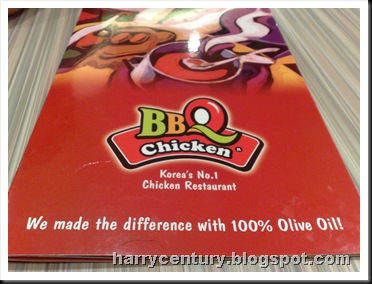


I managed to chance upon it while scanning through the menu.
Went in and tried to revive the days where I tried Patbingsu in Korea :)
Here are some pictures of the Patbingsu I ordered:
 

 Though the ingredients used were the same as the PatbingSu i tried in korea, the layout is a little different.

File:600patbingsoo.2jpg.jpg

 PatbingSu in korea Lotteworld

whats your say on the decoration of this?
The overall taste was awesome, you should really try it out one day :)

 What attracted me to try out Patbingsu?
1.  The variety of ingredients used
2. The attractive colourful appearance attracted my attention
3. The soothing, icy coarse appeal that attracts one with a sweet tooth
What made me to like Patbingsu?
1. The smooth yet chewy texture of the rice cakes in Patbingsu
2. The smooth and icy mouthfeel of the shaved ice and ice cream
3. The mixture of sweet (red bean, ice cream, chocolate sticks) and tart     (mango) flavour from the unique bend of ingredients
4. The fruity sweet aroma of Patbingsu
 Let me show you some beautiful plating techniques of Patbingsu J

View ImageView ImageView Image

J Learning Point:
Such international desserts could be implemented in practical sessions to engage and equip students with the various non-local desserts and at the same time broaden their creativity in dessert plating.

And so J what’s your say on Patbingsu?
Do leave comments/queries on PATBINGSU.
Do leave down comments and share what you know about Patbingsu too J
Many many thanks. 

Angela insights of Home Economics

STAY TUNED TO PART 2 of  See, Sense and Evaluate.
The 2nd Mircoteaching on Meat.:

todays microteaching menu 13 OCtober 2010:
And so the mircoteaching done by Miss Sini, Miss Jit, Miss Nurul, Miss Li, Miss Lee and Miss Priscilla begins :)
1.      Baked Chicken Sambal
2.     Chachouka
3.     Mutton Masala


Baked Chicken Sambal
J Technique : Cubing of meat
J Key Ingredients: Meat, Sambal Chilli
J Learning Points: Making of Sambal
J Thumbs up number: 5 / 5

As the name implies, baked chicken sambal involves using sambal chilli :)
However, due to time constraint, instant chicken sambal was given to us instead.
Miss Jit demonstrated on how sambal is made and it was a great exposure for all of us, especially those who dont have prior knowledge in making of sambal.

I love chicken sambal in general, but cooking it yourself makes the taste more engaging to yourself as you are the creator of the dish.
On whole, the chicken sambal was fabulous.
Spices chosen to marinate the chicken enhances the bulk of the chicken flavour, making this dish a suitable main dish when accompanied with rice or noodles. :))

J Learning Point:
Use homemade sambal instead of commercial ones to reduce overall fat, sodium and preservatives consumption.


Chachouka
J Technique : Cutting of vegetables and meat
J Key Ingredients: Meat, mixture of vegetables
J Learning Points: Making of chachouka
J Thumbs up number: 5 / 5

What is Chachouka?
Yes, that was the question I held in my head throughout the whole pratical session. 

If you love salsa, highly likely, you would like Chachouka as well.
It is similar to salsa, just that meat and egg were the additional highlights of this dish.
Chachouka is a balanced one dish meal that one could prepare as a snack or a accompaniment dish. It is usually consumed together with toasted bread.
Chachouka is generally healthy with simmering/stir-frying cooking methods employed in the preparation of the dish.

J Learning Point:
Chachouka has well-balanced quantity of vegetables to meat, making it a suitable dish to teach students in the future.

Mutton Masala
J Technique : making of masala
J Key Ingredients: Meat (Mutton)
J Learning Points: Cubing of Meat across the grain for tenderness
J Thumbs up number: 4 / 5

Mutton was used in place of chicken/fish.
Personally, I would recommend this dish for non-mutton lovers.
Yes, non-mutton lovers. WHY?? you may wonder.
Personally, I am not a mutton-lover due to the strong smell.

However, when I sample this dish, there wasnt any trace of mutton smell and to add on, the mutton texture was not tough and fibrous, it was relavtively tender.
Reasons:
The mutton smell was eliminated as it is being masked by the herbs used such as:
ginger juice, garlic, shallots, Masala curry powder, coconut milk, yoghurt, lemon juice and red chillis.

J Learning Point:
Mutton Masala is a suitable dish to prepare for non-mutton lovers or curry lovers.

And so J what’s your say on this post?


Do leave comments/queries .
Do leave down comments and share what you know about relevant skills/tecniques too J
Many many thanks. 

Tin Can

Angela insights of Home Economics

Its Microteaching Time

The 1st Mircoteaching on Rice and Alt.:

todays microteaching menu 29 September 2010:
And so the first mircoteaching done by Miss Hidayah, Miss Farah, Mr Jay, Miss Mavi, Miss Kee and Miss Azimah begins :)

1.      Tuna Fish Quiche
2.     Holiday cous cous
3.     Penne pasta with chicken grills

Tuna Fish Quiche  
J Technique : Rubbing-in
J Key Ingredients: Butter, flour and tuna
J Learning Points: Blind Baking, Even rolling of dough method
J Thumbs up number: 4 / 5


Tuna Fish Quiche was the first dish to be taught by Miss Hidayah and Miss Farah. 
Quiche is usually prepared using chicken or potato, its my first time preparing Quiche with tuna as the main ingredient.


I love the overall outcome of the dish, the crust has the right moisture level, not too dry or wet, it has a crumbly melt-in-the mouth texture too. AWESOME job :)

As a result of the uneven thickness:
1.       Overall mouthfeel of the crust was affected
2.      some ingredients seep through thin dough during baking as well

The key in ensuring even thickness is by placing a pair of chopsticks on the side of the dough and roll the dough using the rolling pin across the chopsticks.

I also learnt the art of blind baking through placing broad beans on the empty aligned dough.
GREATTTT Tips isnt it :)

Holiday cous cous

J Technique/skills : Boiling, de-shelling and cleaning of prawns
J Key Ingredients: Prawns, crabsticks, pistachios, instant cous cous
J Learning Points: De-shelling and cleaning of prawns, making of cou cous
J Thumbs up number: 3.5 / 5


Holiday cous cous was the second dish to be taught by Mr Jay and Miss Mavi. 
Cous cous is actually similar to rice, just that its source derieves from semolina flour.


It is my first time preparing cous cous and actually tasting them too. I had not idea what cous cous was about. 
I love the overall outcome of the dish, except for the moist texture of the cous cous.
Reason for the moistness: 
I left the cous cous in the pot for more than 5 minutes, resulting in a moist and paste-like texture of the cous cous grains.

Overall, cous cous is a great dish which I can introduce to my students in the future, especially if students are preparing a meal with theme based on morocco and northern Algeria. 


Penne Pasta with Chicken Grills
J Technique : Cutting of vegetables, grating
J Key Ingredients: Pasta, Chickem Breasts and Vegetables
J Learning Points: Sweating of onions
J Thumbs up number: 4 / 5


Penne pasta was the last dish to be taught by Miss Azimah and Miss Kee. 
I love penne pasta, especially wiht cream based sauce such as carbonara or bacon/ham.
This dish is a healthier pasta choice due to the use of chicken breast instead of other more fatty parts of the chicken.

I love the overall outcome of the dish, pasta were cooked to al dente with chicken breast well marinated and baked.  AWESOME job :)

I love the rich flavourful aroma given off by the rosemary leaves, thyme and black pepper, as well as the pasta sauce.

I had learnt several tips from this mircoteaching.
I learnt that sweating of onions require the use of a cover over a saucepan. However, due to the lack of covers for saucepan, it is replaced with just sauteing of onions.

Neverthless, this step made me google why sweating is important and tips in doing it:

Tips & Warnings

  • Sweating onions is called for when you want to make onions in a recipe taste milder, sweeter or have a softer texture.
  • Adding salt to the onions in the pan will help the onions release their moisture and sweat more quickly.
  • Do not let the onions brown while cooking.
  • Do not use too much butter or oil when sweating onions, or they won't sweat properly and will be too oily.
Read more: How to Sweat Onions | eHow.com http://www.ehow.com/how_2083641_sweat-onions.html#ixzz136l6EcJQ


And so J what’s your say on this post?

Do leave comments/queries .
Do leave down comments and share what you know about relevant skills/tecniques too J
Many many thanks. 


Rolling Pin

Angela insights of Home Economics


Monday, September 20, 2010

Fifth Educational Resource

Web Review V:

5.      http://www.homebaking.org/

What is it?
Looking through the resources made available through this website, I was attracted to 3 things: The Recipes, Baking resources and Tips for teachers.
This website provides all the 3 attractive resources for free.
These resources serve as a great use in explanatory terms of the lower and upper secondary topics such as:


Lower Secondary
Upper Secondary
·         Different methods of Cooking
·         Effects of different Cooking methods
·         The science of food preparation and cooking
·         Reactions in food during preparation and cooking


 What I love about homebaking.org is its ease of use as well as a wide array of information on baking made available .
Informative websites on baking are difficult to search for and this website is simply perfect for preparing worksheets/practical lessons on the topics identified above.

In addition, the educator resources found on the first page of the website serve as a great guide in handling practical lessons.
It also supplements the content found in the Home Economics/Food and Nutrition textbook, enriching the students learning to a higher level.


Out of the 6 educator resources found on the first page of the website, the Safe Kitchen Check List, Cooking Skills Checklist and Ten Tips for Baking Sucess are especially useful for the lower secondary students in conveying the message of these 3 aspects.


Lower Secondary Students

Safe Kitchen Check List
This checklist serves as a great guide for students who are having practical lessons in the kitchen for the first time. It emphasizes the preccaution points to take note during pratical lessons to avoid unforseen injuries.

Cooking Skills Check List
This checklist could serve as a great teaching guide for practical lessons.
With every knowledge prior to various cooking techniques/measuring basics/euipment knowledge acquired, the teacher will acknowledge against it.
This will be a great reference guide to how well each student learnt from the particular practical lesson and it will be a great overview on the whole year lesson, benefiting both in students understanding as well as lesson planning.

 Ten Tips for Baking Success


Similar to the above two resourcces, these tips listed serve as a great  guide for students to understand the secret to Baking Success.

Upper Secondary Students


The broad list of baking recipes available is useful in helping students decide what food commodities they would like to bake for.
The baking recipes for each food commodities is unique and special.
A definate plus point in choice of dish and presentation layout.


+ PLUS 

The recipe instructions are easy to undertstand, making execution of the dish less hassle.
The measurements of ingredients stated in the recipes are indicated in both household measures and in common kitchen tools and equipments. 
Hence, conversion of units is  not necessary when students refer to this website for recipes.  

Examples of some intersting Baking Food Recipes


The limiting factors of this website:
The recipes are limited to american choices and the resources for lower secondary is not in-depth for use in secondary level reseacrh.
Requires additional cross-referencing to other sources for greater explanatory terms. 


How to intergrate the advantages of this website for the students/teachers?
These recipes are also useful in setting exam paper/quizzes to examine students on their proficency in recipe modification/baking techniques.


How to go about doing it?

Get students who extract the recipe from this website to do a short presentation on the review of the dish they made.
Example:
In terms of whether it is a healthy/unhealthy choice, whether the recipe steps are clear and whether the recipe works.  


So Check out this site, you will be wowed!
Do you feel that this site will be a useful tool as we embark on our teaching career?
Do leave your comments/questions.

Many many thanks. 

Angela insights of Home Economics